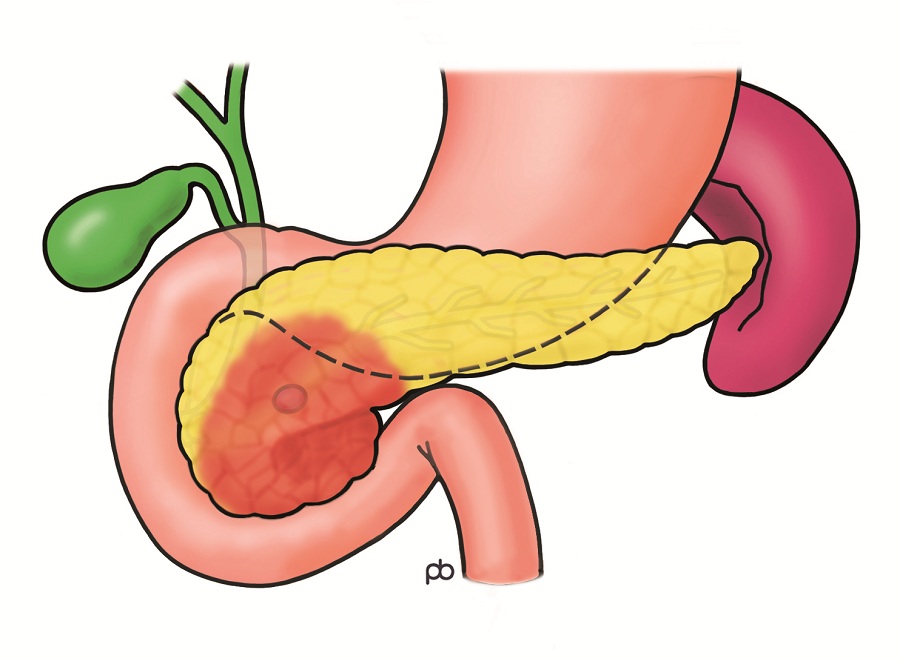
This is mainly described on the duration of the attacks. Some people will have this condition for days, weeks and maybe months, known as Acute Pancreatitis. Other people may suffer with this long term months to years: – Chronic pancreatitis.
Acute Pancreatitis
Acute pancreatitis is characterised by upper abdominal pain which often goes through to the back. The main causes, in western society, of acute pancreatitis are: gallstones, alcohol and smoking.
The mainstay of treatment is to closely observe, administer pain relief as required and monitor the diet and fluids that are tolerated during the attack of acute pancreatitis. Pancreatitis can feel like a roller coaster ride causing ups and downs during the recovering phase and complications during this attack may develop.
Very occasionally, an operation or “telescopic” procedure is required. Often this is once the acute attack has settled down. Investigations such as an ultrasound may be necessary to find out why there has been an acute pancreatitis attack. It is recommended that the cause of the pancreatitis is treated to reduced the chances of future acute pancreatitis attacks occurring. Most commonly this may involve having your gallbladder removed or avoiding alcohol and/or smoking.
In about 1:5 patients no trigger for the attack can be found. Acute pancreatitis is classified as “mild” or “severe” and can kill 1 in 10 people who get the disease. Leeds is actively involved in clinical trials to attempt to reduce the number of patients who get severe attacks.
Symptoms: – Abdominal pain, vomiting, feeling sick.
Acute pancreatitis is more common in middle-aged and elderly people, but it can affect people of any age. Men are more likely to develop alcohol-related pancreatitis, while women are more likely to develop it as a result of gallstones.
Causes of Pancreatitis
Gallstones
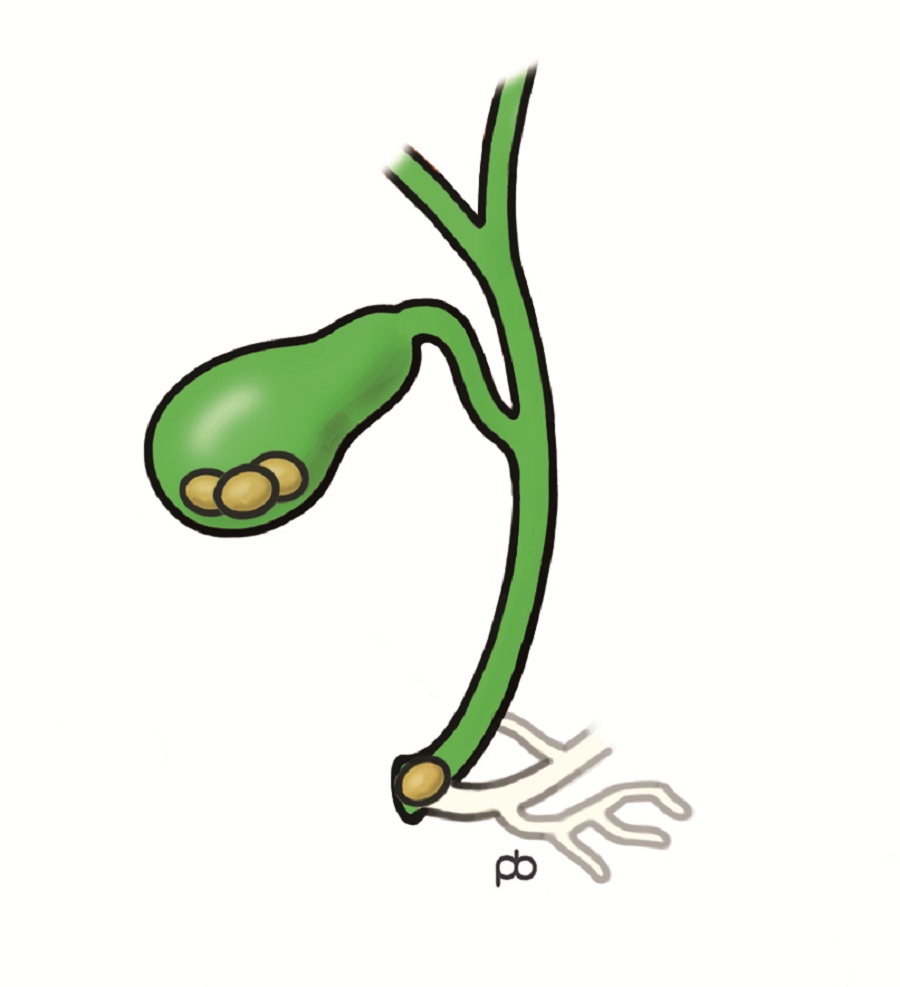
Gallstones are very common and can occur in up to one third of people. The causes are not completely understood but diet and an underlying problem with the gallbladder are thought to be linked to their formation. Gallstones can be found in any age group. An ultrasound scan can detect gallstones 95% of the time. It is usually recommended that removal of your gallbladder (Laparoscopic cholecystectomy) may be necessary if they are causing symptoms. This can be done in most people as a day case procedure which means they can go home the same day. However, surgery will depend upon the patients previous health problems and assessment for surgery is necessary. Gallstones may occasionally cause other problems such as pancreatitis and jaundice.
Alcohol
The mechanism of alcohol and its affect on the pancreas is poorly understood. It is though that the toxin (alcohol) causes inflammation of the cells in the pancreas and stimulates the enzymes in the pancreas. There is a clear connection with people who drink alcohol and who suffer with acute and chronic pancreatitis. Therefore we strongly recommend abstinence from alcohol. If you require some support this please contact your GP or local support Forward Leeds.
Smoking
Recent evidence suggests that smoking is now an independent risk factor to cause pancreatitis. The mechanism of this is poorly understood. There is a clear connection with pancreatitis and smoking. Therefore we strongly advise to stop smoking and to contact your GP for help and support to do this.
Trauma
The pancreas gland is one of the least common abdominal injuries. However, can be sustained from blunt trauma such as a motor vehicle accident or a penetrative injury such as a gun shot wound. A pancreas injury is usually diagnosed from a CT scan and the local pancreas specialist will be contacted for advice. This may require surgery.
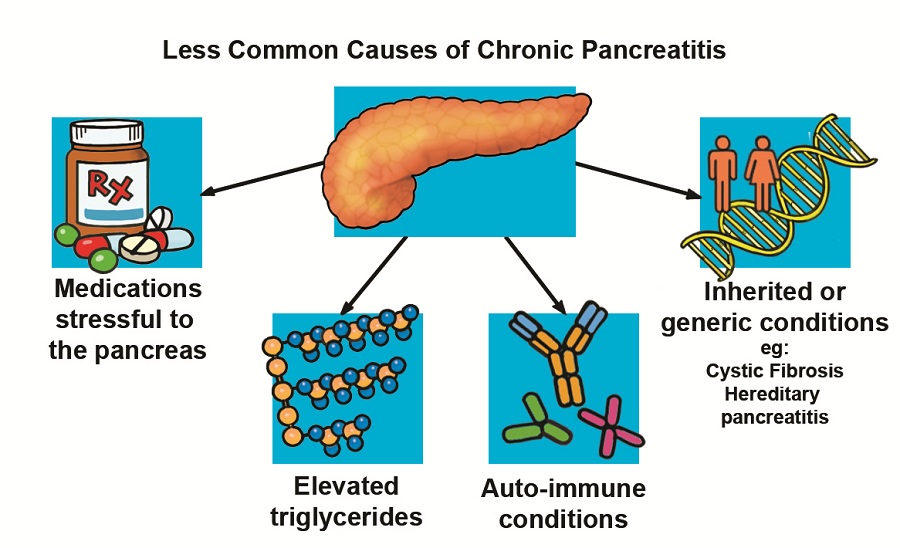
High calcium / high Triglycerides
This will be investigated either during the hospital stay or as an out-patient if there is no history of alcohol or smoking and the ultrasound scan has not identified any gallstones. If this is found to be the cause the cause of the pancreatitis then further treatment and investigations may be necessary. You may even be referred on to another specialist to advise for future treatments.
Scorpion Poison
This is extremely rare in the United Kingdom.
Medication
Certain medications may cause pancreatitis. If you have started any new medication, it is worth mentioning this to your doctor. Some medications such as antibiotics, immune suppressants, diuretics, corticosteroids, oestrogen, blood pressure medication, valproate, anaesthetics, anti-depressants.
Further information can be found Acute Pancreatitis (NHS Choices).
Complications
- Pancreatic necrosis (pancreas tissue that has died)
- Pseudocyst (Fluid collection)
- Pancreatic Abscess (pus filled collection)
- Fistulae (a communication between tissues internally)
- Vascular Complications (Erosion of veins or arteries that supply blood to the organs such as the pancreas, liver and spleen)
Acute pancreatitis can last for days, weeks or months and can be life threatening depending upon the severity and complications that may occur from the acute pancreatitis. Some people may require support from the critical care team if they experience organ failure or need additional support and monitoring. This will be discussed individually.
Once you have been discharged home from hospital it is likely to take you three times longer at home to recover from your hospital stay.