
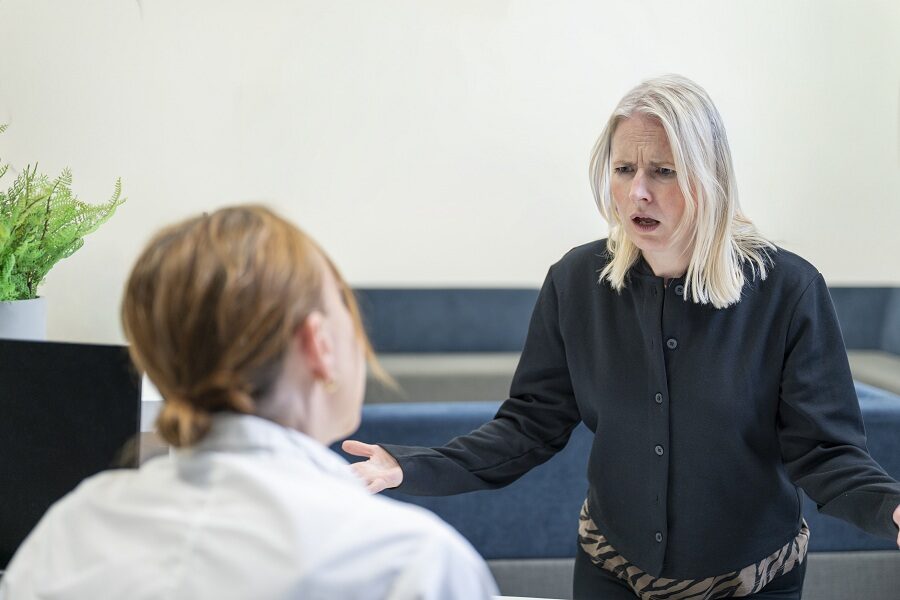
What to do if you have a problem or concern
Ideally, tell someone as soon as you are aware of the problem. For example, the Nurse, Charge Nurse, Ward Sister, Matron, Doctor or Receptionist. In many cases they will be able to help you with your problem straight away or provide information, clarification or advice to help you decide what to do next.
The complaint process
If you have a serious complaint, PALS should be contacted by telephone or email. The complaint should be raised within 12 months of the event, though we reserve the right to extend this period for particular circumstances, and individual cases.
Confidentiality
All complaints are dealt with in the strictest confidence, and where possible by the same PALS team member. To deal effectively with your complaint, this team member may have to access your patient records to check information. You have the right to refuse our access, but you must understand this may limit our ability to deal with your complaint. If you wish to discuss this further you can contact the UCLH Caldicott Guardian, who is a senior person responsible for protecting patient confidentiality. Their contact details are below in the white box.
Please be assured that no complaint becomes part of a patients records and will not affect on-going or future treatment.
If you are making a complaint on behalf of someone else, we require their written consent for us to proceed. This is to meet the requirements of the data protection act 2018.
Consultant Virologist


Complaints monitoring
All complaints are recorded on a central database (Datixweb). Reports on complaints are reviewed by the UCLH of Directors, the patient experience and engagement committee (PEEC) and (Too check out West Yorkshire Integrated Care Board). These reports do not identify patients or complaints. We use the lessons we learn from complaints to improve services for patients.